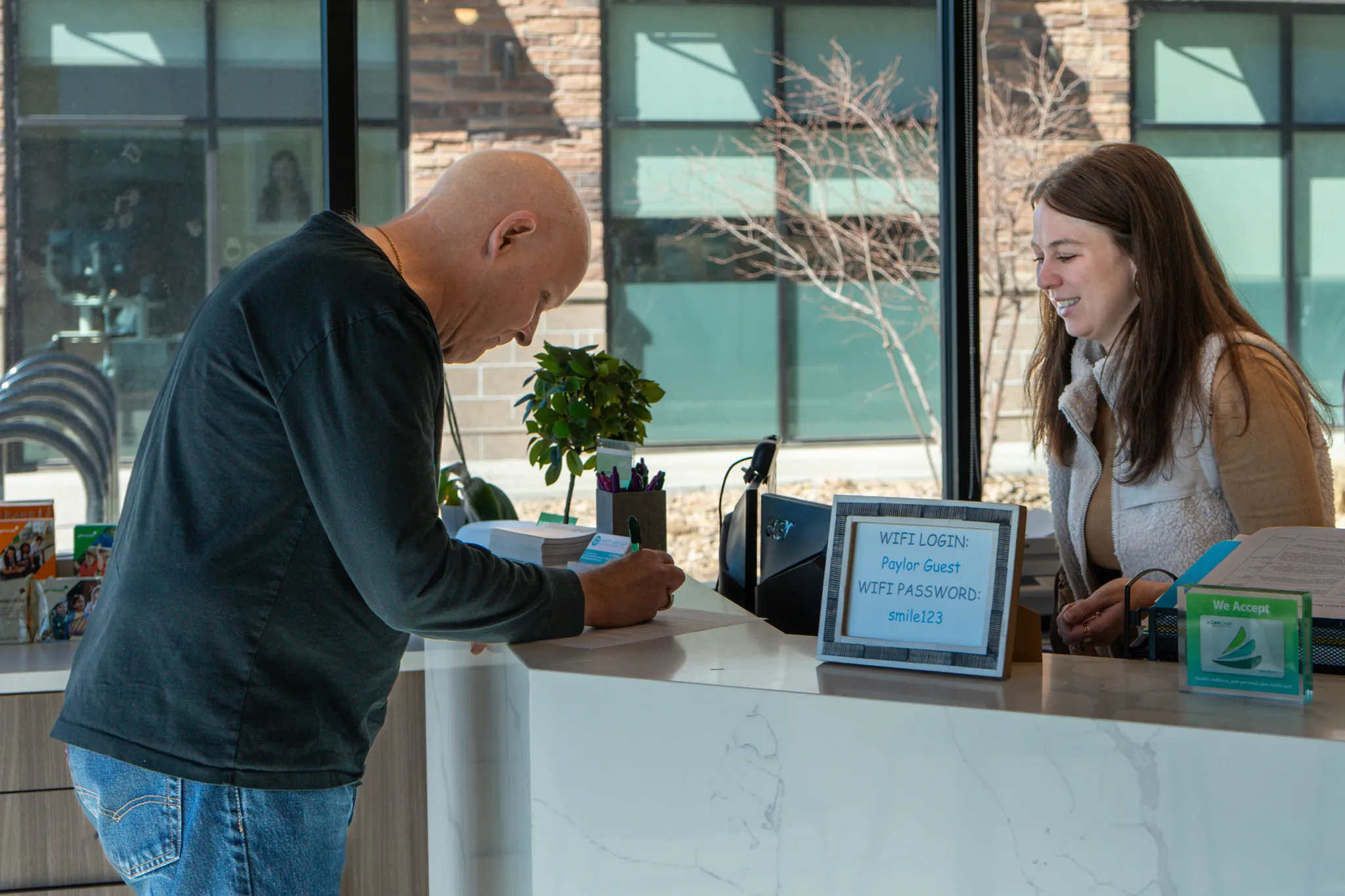
Modern reception desk with marble countertop, two computer monitors, pendant lights, and large windows showing exterior building.

Emergency Dentistry in Arvada, CO

Emergency dentistry at West Arvada Family Dental provides fast care for urgent dental problems like severe tooth pain, broken teeth, infections, or knocked-out teeth. Dr. Paylor and Dr. Barry focus on relieving pain quickly and protecting your smile before the problem worsens.

Smiling woman reclined in a dental chair, interacting with a dentist wearing blue gloves.

Emergency Dentistry Near You

Even if you brush and floss daily and are careful with your teeth, dental emergencies can still happen. A sudden injury, cracked tooth, or severe toothache can strike without warning. When that happens, don’t wait, call West Arvada Family Dental right away.
Dr. Paylor makes time to see emergency patients as soon as possible, providing fast relief and the care you need to restore your oral health.

How We Treat Dental Emergencies

Same-Day Emergency Appointment

If your emergency is not life-threatening, contact our office immediately. Our team will guide over the phone and schedule a same-day visit whenever possible, including evenings and weekends.

Emergency Exam & Diagnosis

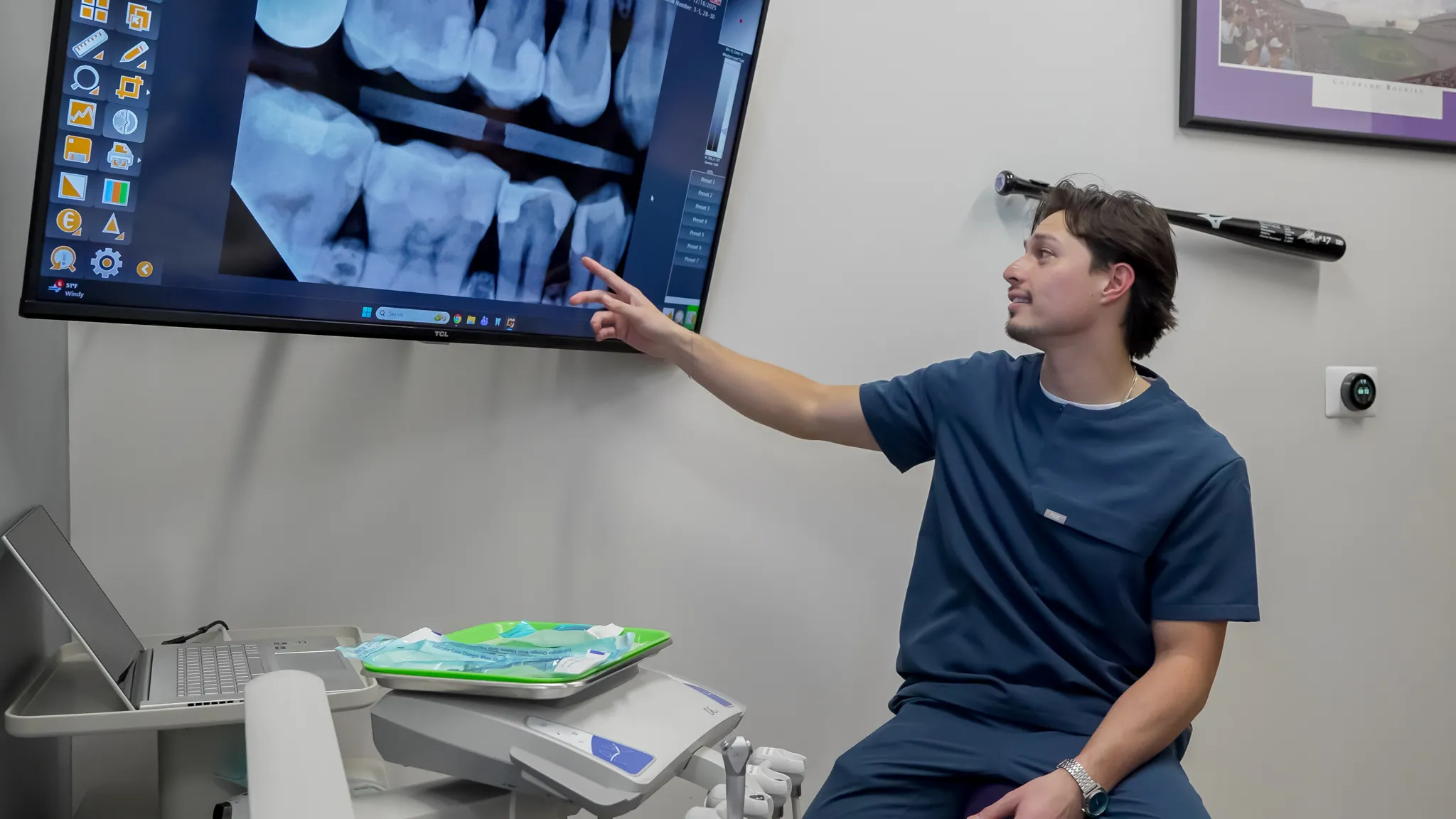
Dr. Paylor will perform a thorough emergency exam and take digital X-rays if needed to identify the cause of your pain and begin relief right away.

Treatment Review

You’ll receive a clear explanation of the findings, recommended treatments, estimated costs, and expected treatment timeline, with no surprises.

Immediate Care

Treatment depends on your specific emergency and may include fillings, crowns, root canal therapy, extractions, or other restorative services.

Smiling man sitting in a dental chair giving a thumbs-up in a bright dental office.

Most Common Dental Emergencies We Treat

Toothaches

Chipped or cracked teeth

Sensitivity to hot or cold

Knocked-out teeth

Lost fillings or crowns

Broken dentures

Loose teeth

Injuries to gums, lips, or tongue

Jaw pain or clenching

Objects stuck between teeth

The sooner you seek care, the better the outcome. If you’re experiencing any of these issues, call us right away.

Smiling man sitting in a dental chair giving a thumbs-up in a bright dental office.

Understanding the Cost of Emergency Dentistry

Many patients delay emergency care because they worry about cost, but waiting often leads to more complex and expensive treatments. We’ll help you fully understand your condition, treatment options, and pricing before moving forward. Our team works closely with insurance providers to keep care affordable.

Dentist holding a dental shade guide near a smiling woman's teeth to match tooth color.

Every Dental Emergency Is Unique

There is no set price for emergency dental care. Minor issues like bonding a chipped tooth cost far less than advanced treatments such as root canal therapy and crowns. The only way to determine an accurate cost is through an in-person evaluation and personalized treatment plan.

Dentist holding a dental shade guide near a smiling woman's teeth to match tooth color.

Does Dental Insurance Cover Emergencies?

Many dental insurance plans cover at least one emergency exam per year, and common emergency treatments are often covered at 50–80%, depending on your plan. Our knowledgeable team is happy to review your benefits and help you maximize coverage.

Smiling woman sitting in a dental chair giving a thumbs-up with a dental bib.

Affordable Options Without Insurance

No insurance? No problem. We offer:

In-Office Membership Plan

Discounts on services for a low annual or monthly fee

CareCredit® financing

Flexible monthly payments with little to no interest These options help ensure you receive the care you need without financial stress.


Preventing Dental Emergencies Can Save You Money

Seeking prompt treatment and maintaining good oral health can help you avoid costly dental emergencies. Prevention is always easier and more affordable than treatment.


Dentist holding a dental shade guide near a smiling woman's teeth to match tooth color.

Keys to Preventing Dental Emergencies

Dentist holding a dental shade guide near a smiling woman's teeth to match tooth color.

Visit Your Dentist Every Six Months

Routine exams allow your dentist to detect cavities, infections, and gum disease early, before they become emergencies.

Dentist holding a dental shade guide near a smiling woman's teeth to match tooth color.

Maintain Good Oral Hygiene

Brush twice daily, floss once a day, and use mouthwash to prevent decay that commonly leads to emergency toothaches.

Dentist holding a dental shade guide near a smiling woman's teeth to match tooth color.

Eat a Tooth-Friendly Diet

Limit sugary, starchy, and acidic foods. Avoid overly hard or crunchy snacks that can chip teeth. Choose foods rich in calcium and vitamin C.

Dentist holding a dental shade guide near a smiling woman's teeth to match tooth color.

Wear a Mouthguard or Nightguard

Protect your teeth during sports with a custom mouthguard. If you grind your teeth at night, a custom nightguard can prevent enamel damage and fractures.

Dentist holding a dental shade guide near a smiling woman's teeth to match tooth color.

Don’t Use Your Teeth as Tools

Avoid using your teeth to open packages, bite nails, or hold objects. One wrong move can cause a painful emergency.

Dentist holding a dental shade guide near a smiling woman's teeth to match tooth color.

Need Emergency Dental Care Now?

Tooth pain won’t fix itself, and waiting can make it worse. Call West Arvada Family Dental now to schedule your emergency appointment with Dr. Paylor. We’re here to relieve your pain and protect your smile when you need us most.

West Arvada Modern office reception area with a marble front desk, two computer monitors, large windows, and pendant lights.

Emergency Dentistry FAQ’s

When should I go to the emergency room?

Your dentist, not the ER, should treat most dental issues. However, go to the emergency room first if you have uncontrolled bleeding, a broken jaw, severe facial trauma, or symptoms that affect breathing or swallowing.

What exactly is a dental emergency?

A dental emergency is a non-life-threatening issue that needs immediate care to relieve pain, stop bleeding, or save a tooth. Examples include severe toothaches, knocked-out teeth, swelling, bleeding, or loose teeth.

Is there anything I can do to ease pain at home?

While professional care is necessary, you can reduce discomfort temporarily by using a cold compress, rinsing with warm salt water, and taking over-the-counter pain medication until you see a dentist.

What should I keep in an emergency dental kit?

A dental emergency kit should include floss, gauze, gloves, temporary fillings, pain relievers, a small container for a knocked-out tooth, and your dentist’s contact information for quick access.

Will a toothache go away on its own?

A toothache may fade, but that doesn’t mean the problem is resolved. Pain often disappears when the infection kills the nerve, which can worsen the issue. Always schedule an exam, even if symptoms stop.

Can I pop a dental abscess myself?

No. Popping a dental abscess can spread infection and worsen the condition. A dentist should properly drain the abscess and treat the underlying infection safely and effectively.

Should I worry about a chipped tooth if it doesn’t hurt?

Even painless chips should be examined. The tooth may crack further or become infected. A dental visit ensures the damage is assessed and treated before it becomes a bigger problem.

Is it safe to repair dentures with superglue?

No. Superglue contains harmful chemicals and can damage your denture. Always contact your dentist for proper denture repair or replacement instead of attempting DIY fixes.

What if I can’t afford emergency dentistry?

Emergency dental care doesn’t have to be unaffordable. Many offices offer insurance support, flexible financing, membership plans, and special offers to help manage unexpected treatment costs.

What does chronic bad breath mean?

Persistent bad breath can result from diet, poor oral hygiene, or dental issues like decay or gum disease. Improve brushing and flossing habits first, and schedule a dental exam if the problem continues.